Surfaces Built for Heavy Traffic Conditions
Commercial Pressure Washing in Cedar Rapids for properties handling foot traffic and Iowa weather exposure
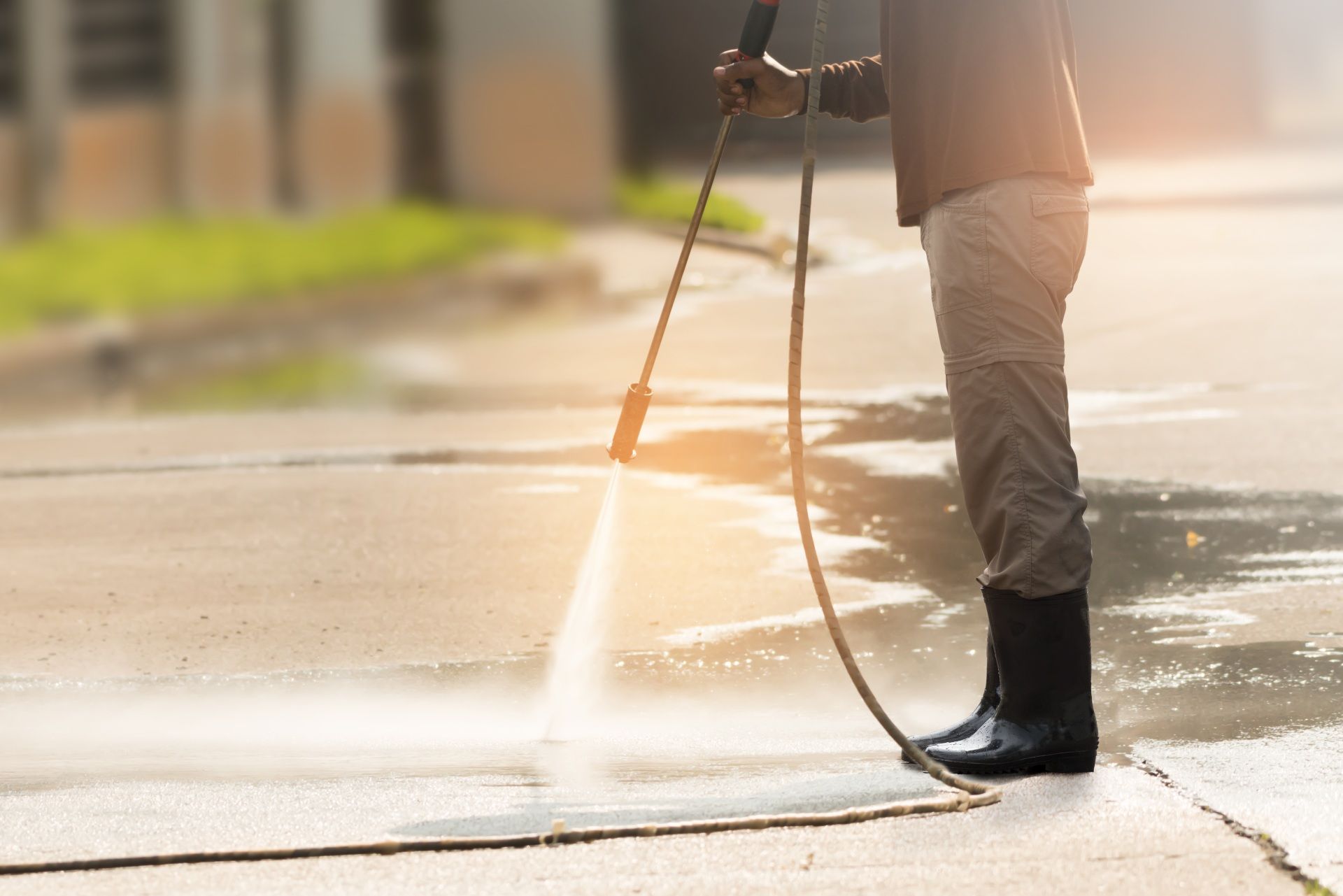
Heavy foot traffic grinds dirt into concrete, asphalt, and entry surfaces, creating the dark pathways and stained areas visible around commercial entrances throughout Cedar Rapids. Hook and Ladder Exteriors uses commercial-grade hot water pressure washing systems that break down grease, oil, and organic staining that cold water alone cannot remove, particularly in loading areas, drive-throughs, and restaurant exteriors where petroleum and food residues accumulate. Hot water reaches temperatures that dissolve bonded contaminants, while adjustable pressure settings prevent surface damage to different materials.
The service addresses walkways, parking areas, building exteriors, dumpster pads, and any surface where grime affects appearance or creates slip hazards. Scheduling happens during off-hours to avoid conflicts with business operations, customer access, or delivery schedules. For restaurants and food service properties, early morning appointments allow surfaces to dry before opening, while retail locations often prefer evening service after closing.
Request a property assessment to identify high-priority areas and establish an off-hours service schedule.
What Commercial Pressure Washing Actually Accomplishes
The hot water system tackles oil stains in parking areas, grease buildup near kitchen exhaust vents, and the black mold streaks that develop on north-facing walls where sunlight never reaches. Surface preparation involves removing loose debris, applying appropriate cleaning agents for specific stain types, then using heated water at controlled pressure to lift embedded contamination. Different surfaces require different approaches—porous concrete needs higher heat but lower pressure than sealed pavement, while painted metal siding requires gentle pressure with extended dwell time for cleaning agents.
After cleaning, walking surfaces no longer show the dark traffic patterns that develop in high-use areas, and building exteriors regain original color instead of displaying streaked, weathered appearances. Entry areas present a maintained look that reflects operational standards, and parking lots shed the oil shadows that mark every space. The cleaning removes the layer of ground-in contamination that makes properties look worn regardless of actual age or structural condition.
Service can be scheduled as one-time deep cleaning before peak business seasons or as recurring maintenance preventing gradual appearance degradation. Properties with drive-throughs or outdoor dining areas typically need more frequent attention than office buildings, while loading docks and dumpster areas benefit from monthly service to control odor-causing bacteria growth in addition to visible staining.
Answers to Frequent Service Questions
Commercial property managers and business owners usually ask about equipment capabilities, timing logistics, and appropriate service frequency for different property types.
What makes hot water systems more effective than standard pressure washing?
Hot water breaks molecular bonds in grease, oil, and organic materials that cold water cannot dissolve, reducing the pressure needed and preventing surface damage while achieving better cleaning results on petroleum-based stains.
How is service scheduled around active business operations?
Cleaning happens before opening hours, after closing, or during designated off-peak times based on your operational schedule, with arrival and completion windows confirmed in advance to avoid conflicts.
Why do commercial properties need different equipment than residential cleaning?
Commercial surfaces handle heavier contamination loads and larger square footage requiring higher water volume, sustained heat output, and specialized surface cleaning attachments that residential equipment cannot provide.
When should properties schedule preventive cleaning versus waiting for visible staining?
Regular maintenance every 60 to 90 days prevents contamination from bonding to surfaces, making each cleaning easier and less expensive than annual deep cleaning that requires aggressive chemical treatment and higher pressure.
What types of surfaces can be safely cleaned with commercial pressure systems?
Concrete, asphalt, brick, most siding materials, metal panels, and sealed wood decking all respond well to appropriate pressure and temperature settings, while delicate surfaces receive lower pressure with extended chemical dwell time.
Hook and Ladder Exteriors brings specialized commercial equipment and flexible scheduling to every property, maintaining professional appearance without disrupting business operations. Contact our team to discuss your property's specific cleaning needs and establish a maintenance schedule that works with your operational calendar.