Efficiency That Maximizes Energy Production
Solar Panel Cleaning in Cedar Rapids for systems affected by agricultural dust and seasonal pollen
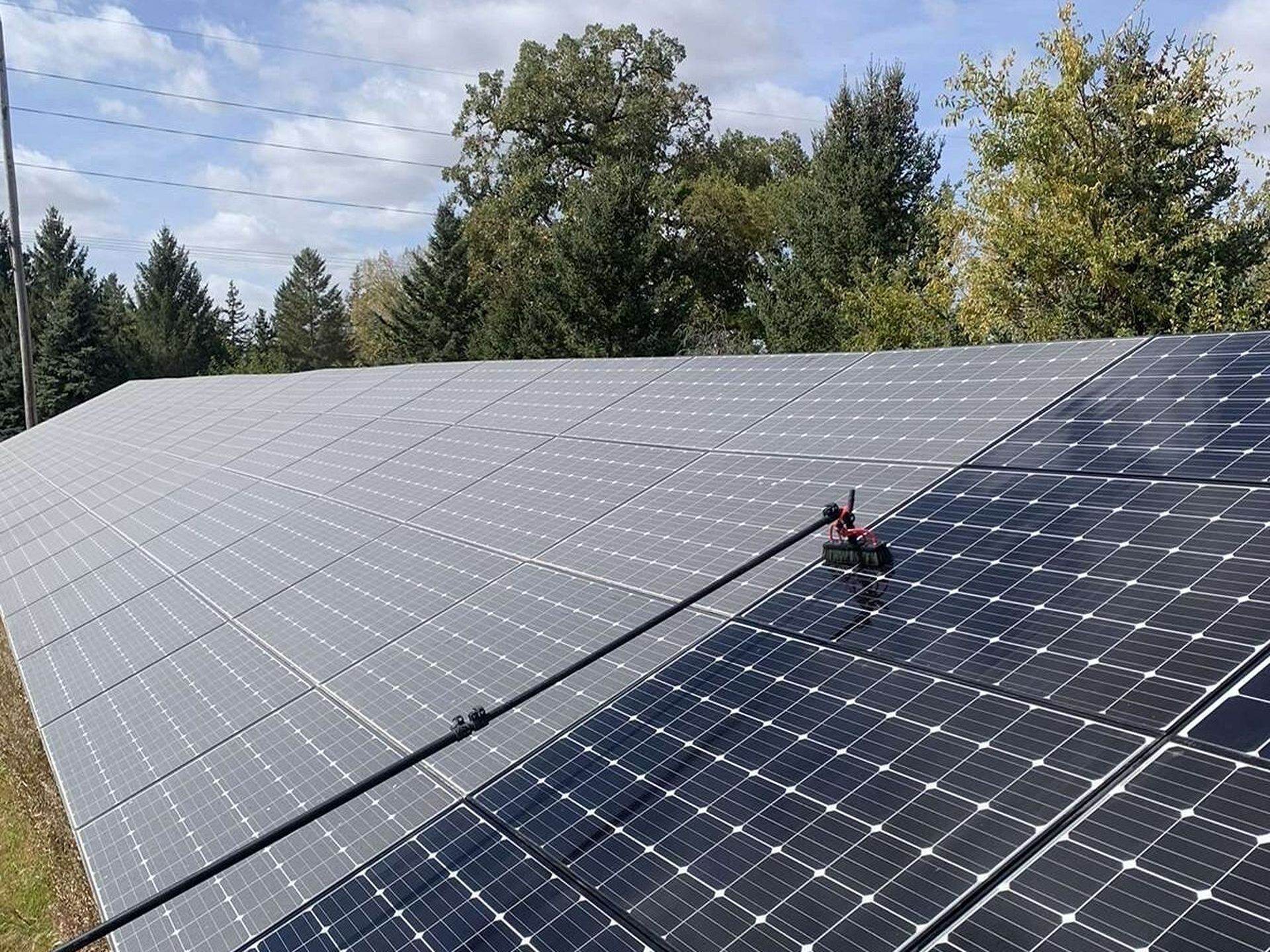
Iowa's agricultural landscape generates airborne dust that settles on solar panels, while spring pollen coats surfaces with a sticky film that rain alone cannot remove. Hook and Ladder Exteriors uses deionized water systems that prevent mineral deposits from forming on panel surfaces during cleaning, protecting the anti-reflective coatings that maximize light absorption. Standard tap water leaves behind dissolved minerals that create a haze as water evaporates, gradually reducing panel efficiency even after cleaning, but deionized water dries completely clear without residue.
The cleaning process involves gentle brushing with soft-bristle tools designed specifically for photovoltaic surfaces, removing accumulated dust, pollen, and bird droppings without scratching the glass or damaging the protective coating. Panels are rinsed with purified water that sheets off cleanly, and the deionization system ensures no spotting or mineral buildup occurs. This protection matters because Iowa's hard water contains calcium and magnesium that etch into panel surfaces over time when standard washing methods are used.
Schedule a panel inspection to assess current efficiency loss and establish a cleaning interval based on your property's environmental exposure.
What Changes After Solar Panel Maintenance
Each cleaning removes the layer of contamination blocking light from reaching photovoltaic cells, using specialized equipment that protects panel integrity while restoring surface clarity. The deionized water system eliminates the mineral streaking that creates permanent etching on panels cleaned repeatedly with untreated water, preserving the factory coating that determines how much light converts to electricity. Timing usually aligns with seasonal pollen cycles in spring and post-harvest dust periods in fall when airborne particles peak.
Once panels are cleaned, you'll notice immediate improvements in energy production data, with output returning to levels matching clean-panel baselines for your system size and sun exposure. The glass surface regains its deep black appearance instead of showing the gray-brown haze that develops as contaminants accumulate. Monitoring systems display higher kilowatt-hour generation during equivalent weather conditions compared to pre-cleaning performance, directly affecting energy savings and utility bill offsets.
Regular maintenance prevents the compounding efficiency loss that occurs when dirt layers build up over multiple seasons. Bird droppings contain acids that etch glass if left in place, pollen creates sticky bases that trap additional dust, and agricultural residue bonds to surfaces during temperature cycling. Professional cleaning interrupts this accumulation before permanent damage occurs.
What Property Owners Usually Ask
Solar panel owners in Cedar Rapids want to know about cleaning safety, appropriate service frequency, and how Iowa's environment specifically impacts panel performance.
What is deionized water and why does it matter for solar panels?
Deionized water has all dissolved minerals removed, preventing the calcium and magnesium deposits that standard water leaves behind as it evaporates, which protects panel coatings and maintains maximum light transmission.
How often should panels be cleaned in Iowa's agricultural areas?
Properties near active farmland typically need cleaning twice yearly during spring pollen season and after fall harvest when dust levels peak, while urban installations may only require annual service depending on local tree coverage and air quality.
Why can't rain keep solar panels clean naturally?
Rain carries airborne dust and pollen onto panel surfaces and often contains dissolved minerals that leave spots as water evaporates, while the angle of most panel installations prevents complete runoff, leaving residue concentrated at lower edges.
When is the best time to schedule cleaning for maximum benefit?
Cleaning before peak sun months in late spring maximizes summer production when daylight hours are longest, though fall cleaning before winter ensures panels operate efficiently during lower-light conditions when every percentage point matters.
What damage can occur from improper panel cleaning methods?
Abrasive brushes scratch anti-reflective coatings, high-pressure water can force moisture into panel seals, and hard water deposits etch glass surfaces permanently, all reducing efficiency and potentially voiding manufacturer warranties.
Hook and Ladder Exteriors applies specialized deionized water systems and panel-safe cleaning techniques to protect your solar investment while maximizing energy efficiency. As a locally owned company understanding Iowa's environmental impact on solar installations, we provide maintenance that preserves panel performance through agricultural dust cycles and seasonal pollen exposure. Arrange a system evaluation to determine optimal cleaning frequency for your location.