
Vehicles That Represent Your Business Daily
Fleet Washing in Cedar Rapids for commercial vehicles carrying your company name through work zones, client sites, and public roads
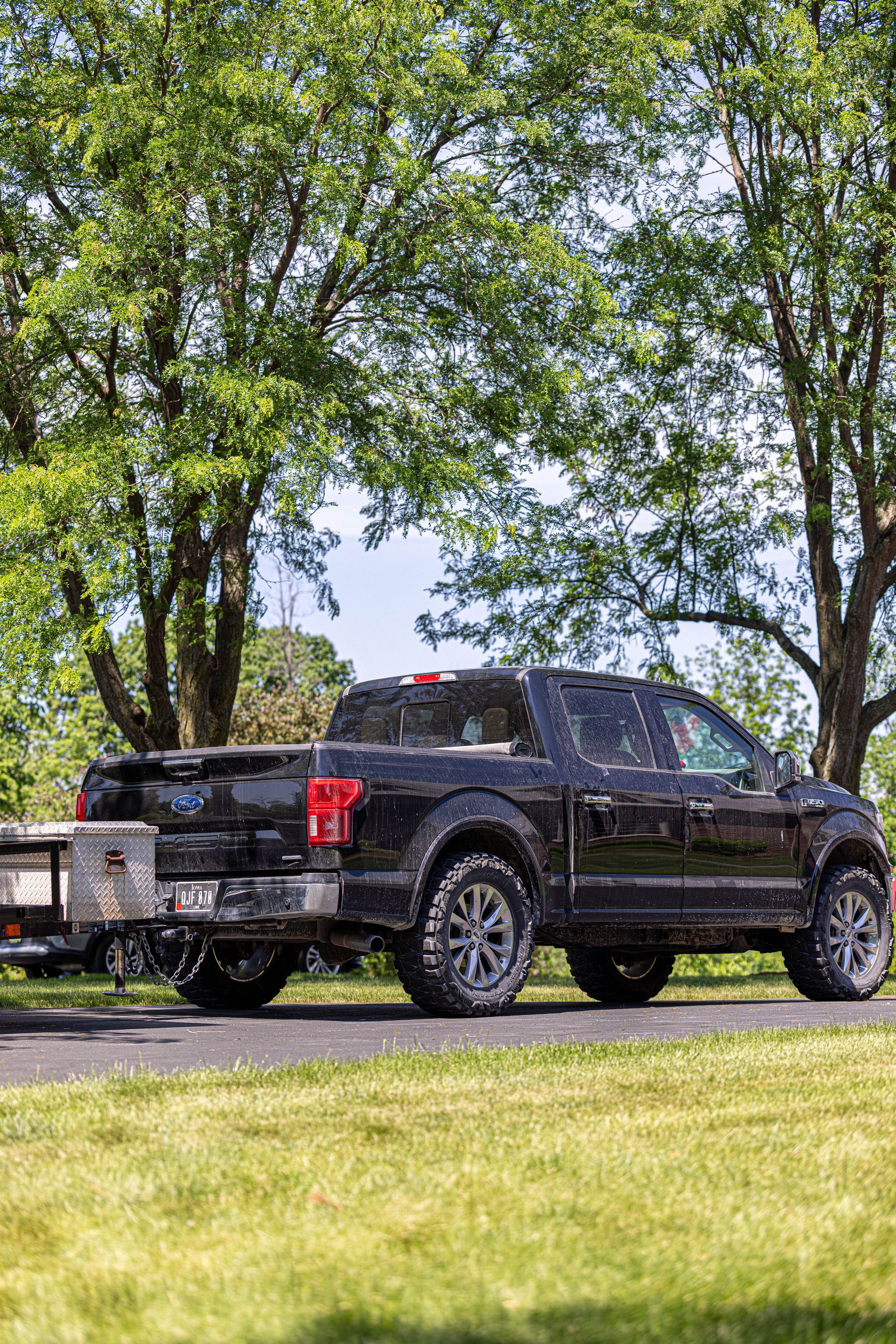
Hook and Ladder Exteriors provides fleet washing in Cedar Rapids for work trucks, service vans, trailers, and equipment that accumulate road film, salt residue, and job site mud during regular operations. Your vehicles move through construction zones, gravel roads, and winter-treated highways where contaminants build up on painted surfaces, door handles, wheel wells, and decals. Clean fleets make maintenance inspections more effective since technicians can spot fluid leaks, body damage, and rust formation that dirt and grime would otherwise hide.
Fleet washing removes the layers of road salt, calcium chloride brine, agricultural dust, and oil mist that Cedar Rapids vehicles collect from Interstate 380 corridors, rural county roads, and industrial park routes. The process addresses exterior surfaces where these contaminants sit against paint and clear coat finishes, particularly in crevices around door seams, behind wheel wells, and under bumpers where moisture and road chemicals concentrate. Services are scheduled around your operational hours so vehicles remain available during peak business periods while still receiving the cleaning needed to maintain a professional appearance.
Request a customized fleet washing plan based on your vehicle count and current service routes.
What Regular Cleaning Does for Fleet Operations
Professional fleet washing addresses the specific soil loads commercial vehicles face during daily use—not just surface dust but the bonded films from diesel exhaust soot, hydraulic equipment spray, and road tar that standard rinse-offs leave behind. The washing process includes wheel well flushing where salt and mud pack into areas that stay wet long after the road surface dries, and undercarriage attention where de-icing chemicals remain active against metal components. Each vehicle receives treatment based on its current condition rather than a fixed timeline, meaning trucks returning from rural service calls or winter highway routes get the attention those conditions require.
After washing, your fleet displays clean company logos and contact information that remain legible from across parking lots and job sites, and vehicle surfaces no longer carry the brown salt haze or black tire spray that signals deferred maintenance to clients and property managers. Decals and vinyl wraps stay vibrant rather than fading under layers of contaminant buildup, and painted surfaces maintain the factory finish without the etching patterns that dried salt and acid rain create when left in contact with clear coat for weeks at a time.
Fleet washing is scheduled as recurring service rather than one-time cleaning, with frequency adjusted based on your operational intensity, seasonal conditions, and the routes your vehicles travel. Winter months demand more frequent washing due to municipal salt and brine application throughout Linn County, while spring brings agricultural dust and pollen loads that coat vehicles during rural service calls.
What Business Owners Ask About Fleet Cleaning
Fleet managers and business owners working with commercial vehicles in Cedar Rapids typically want to know how the service fits into their operational schedule and what the process involves for different vehicle types.
What types of vehicles can be included in fleet washing?
Work trucks, cargo vans, box trucks, service trailers, flatbed trucks, dump trucks, and specialty equipment all receive exterior cleaning tailored to their size, configuration, and soil level, with attention to branded surfaces, cab areas, cargo sections, and undercarriage zones where road contaminants collect.
How is fleet washing scheduled around business operations?
Services are arranged during off-hours, weekends, or staggered throughout the week so vehicles remain available during peak service windows, with coordination based on your dispatch schedule and the number of units requiring cleaning at any given time.
What gets removed during the washing process?
Road salt, calcium chloride residue, diesel soot, mud, tar, oil film, insect buildup, pollen, and the bonded grime that accumulates in wheel wells, door jambs, and around lighting fixtures all receive targeted attention during the cleaning process.
Why does fleet cleanliness matter beyond appearance?
Clean vehicles allow for easier pre-trip inspections where drivers and mechanics can spot fluid leaks, tire damage, body rust, and equipment issues without contaminant layers masking problems, and maintaining exterior surfaces helps preserve paint and decal investment over the vehicle's service life.
When should fleet washing frequency increase?
Winter months in Cedar Rapids require more frequent cleaning due to road salt and brine application on Interstate 380 and county highways, and any period of increased rural service calls, construction zone work, or unpaved site access raises the soil load vehicles carry back to your facility.
Hook and Ladder Exteriors develops fleet washing schedules based on your vehicle count, operating conditions, and branding standards. Schedule a consultation to establish a service plan that keeps your commercial vehicles clean and job-ready throughout the year.