
Protection That Handles Iowa's Canopy Coverage
Gutter Guard Installation in Cedar Rapids for properties under mature trees and severe weather exposure
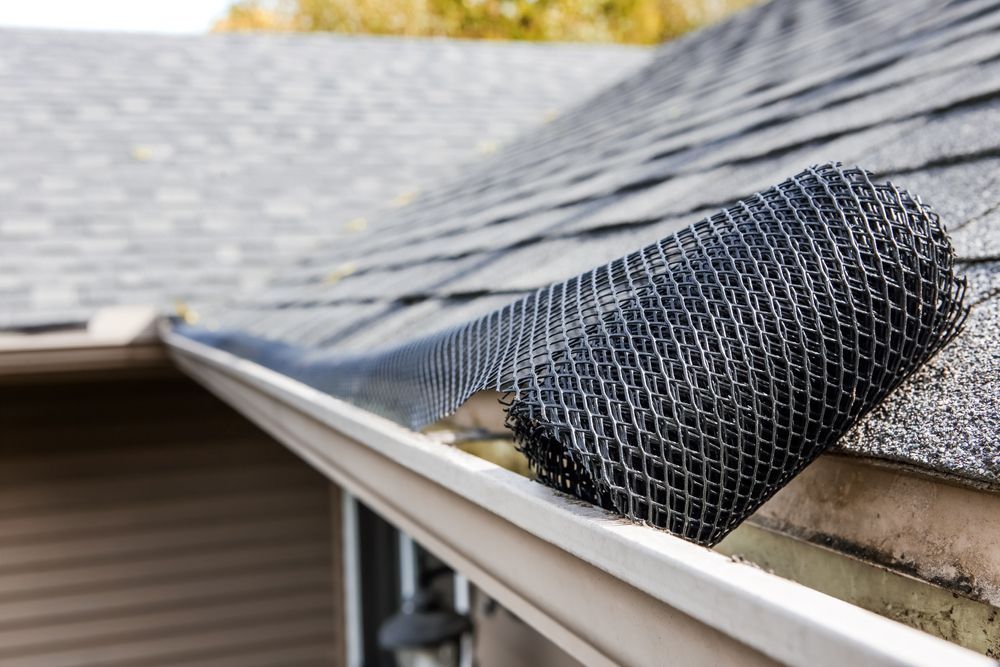
Hook and Ladder Exteriors installs custom-fit gutter protection systems designed specifically for Eastern Iowa's dense tree canopy and unpredictable weather patterns. Before any guard goes on, you receive a complete gutter condition assessment to identify existing wear, pitch problems, or attachment issues that could undermine protection performance. This evaluation process catches hidden gutter damage that would otherwise worsen under a new guard system, preventing costly repairs later.
The installation involves custom fitting each guard section to your existing gutter profile, accounting for the unique angles, seams, and fastener placements already in place. Standard one-size guards often leave gaps where debris enters or create new water overflow points, but precise measurements and on-site adjustments during installation mean the guards integrate with your current system rather than forcing your gutters to adapt to a generic product. In areas with oak, maple, and walnut trees dropping heavy seed pods and thick leaf matter, this custom approach determines whether guards actually reduce maintenance or just shift the problem.
Schedule a gutter condition assessment to identify any underlying issues before installation begins.
What Proper Gutter Guard Systems Require
The pre-installation evaluation checks gutter slope, fastener spacing, and structural integrity before guards are measured and cut to fit your roofline. Each section is shaped to match existing gutter curves and end caps, with fasteners placed to avoid creating new leak points or stressing gutter seams. This fitting process accounts for expansion and contraction during Iowa's temperature swings, which can buckle improperly secured guards during winter freeze cycles.
After installation, you'll notice water flowing cleanly into downspouts during heavy rains without the overflow that happens when debris clogs unprotected gutters. Seed pods, shingle grit, and leaf fragments stay on top of the guards where wind and rain wash them off naturally, rather than building up inside the gutter trough. Spring cleanup no longer involves climbing ladders to scoop rotting organic matter from clogged channels, and ice dams become less frequent because water exits the system instead of pooling and freezing.
The system includes compatibility with your roof type and pitch, whether you have architectural shingles that shed granules or metal roofing that channels water at higher velocity. Guard style varies based on the predominant debris type in your area—fine mesh for properties near conifers, larger perforations for neighborhoods with deciduous hardwoods.
Questions Before Starting Your Project
Property owners throughout Cedar Rapids typically ask about compatibility with existing gutter systems, required maintenance after installation, and how guards handle Iowa's specific seasonal debris patterns.
What happens during the gutter condition assessment?
The evaluation checks for existing damage, measures current pitch and drainage performance, inspects fascia board attachment points, and identifies any repairs needed before guards are installed to ensure the system functions correctly long-term.
How are guards fitted to gutters that aren't standard sizes?
Each guard section is measured on-site and cut to match your specific gutter dimensions, accounting for custom profiles, unusual angles, or older gutter styles that don't match modern standard sizing.
Why does Eastern Iowa's tree canopy affect gutter protection choices?
Mature oaks and maples drop heavy seed pods, thick leaves, and helicopter seeds that require different guard perforation patterns than pine needles or light deciduous debris, making local expertise essential for selecting effective systems.
When should guards be installed relative to seasonal debris cycles?
Installation before fall leaf drop provides immediate protection during the heaviest debris season, while spring installation allows for gutter cleaning and repair after winter damage is assessed.
What kind of maintenance do installed guards require?
Guards reduce gutter cleaning frequency significantly but may need occasional brushing to remove accumulated surface debris in areas with exceptionally heavy tree cover, though this happens from ground level or the roof edge rather than inside the gutter.
Hook and Ladder Exteriors brings custom fitting expertise and understanding of Iowa's specific gutter protection challenges to every installation, with thorough pre-installation evaluation ensuring your system performs through severe weather and heavy seasonal debris. Request a property evaluation to review your current gutter condition and determine the guard configuration that matches your tree coverage and roof type.