
Concrete That Looks Maintained Year After Year
Pressure Washing in Cedar Rapids for stubborn driveway stains and embedded walkway dirt from seasonal weather
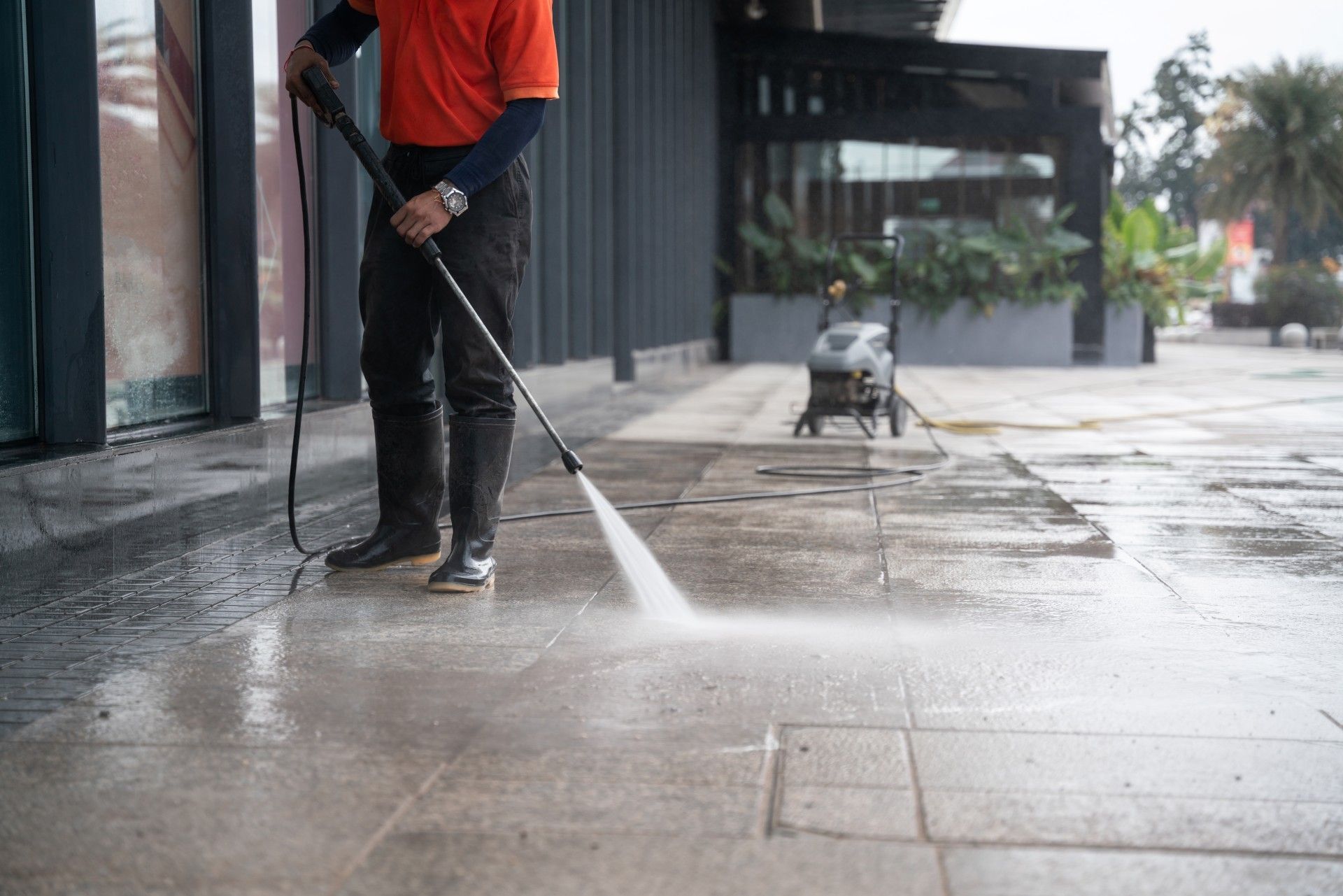
Cedar Rapids driveways collect oil drips, rust stains, and embedded dirt that standard rinsing cannot remove, particularly after winter salt residue and spring mud season create layers of discoloration in concrete pores. Adjustable pressure settings based on surface material prevent damage while removing these stubborn stains—what works for reinforced concrete destroys softer pavers and decorative surfaces. Hook and Ladder Exteriors pre-treats oil stains before pressure application to break down petroleum bonds, using variable pressure capabilities developed through professional equipment and years of surface-specific experience.
Oil stain pre-treatment penetrates concrete pores where petroleum has bonded, allowing pressure washing to flush out embedded contamination instead of just lightening surface appearance. Different surfaces require different pressure levels—too much force etches concrete or dislodges paver sand, while insufficient pressure leaves embedded dirt in place.
Arrange a consultation to review your specific surface materials and stain types before scheduling service.
What Changes After Professional Pressure Cleaning
Pressure washing removes years of embedded dirt and staining by forcing water into concrete pores at controlled rates that flush contamination without surface erosion, with pressure adjusted based on whether you have poured concrete, pavers, stamped surfaces, or aggregate finishes. Pre-treatment solutions break down oil and rust stains chemically so pressure application can remove them completely rather than spreading residue across wider areas.
Driveways and walkways return to their original color as embedded dirt is flushed from porous surfaces, and oil stains disappear rather than just fading because pre-treatment lifts petroleum from concrete pores. The cleaned surface sheds water better because dirt and organic material no longer block drainage through the concrete structure.
Standard pressure washing covers driveways, walkways, and patios but does not include delicate surfaces like wood decks or painted finishes requiring soft wash methods. Joint sand between pavers may need replacement after cleaning if pressure settings dislodge existing material.
What Property Owners Usually Ask
Pressure washing decisions involve understanding surface compatibility, stain treatment, and what realistic results look like for different materials and conditions.
How does pressure damage occur if settings are too high?
Excessive force etches concrete surfaces, removes mortar from between bricks, dislodges paver sand, and creates visible lines where spray patterns overlap, requiring costly repairs to restore appearance.
What types of stains require pre-treatment before washing?
Oil, rust, and organic tannin stains bond chemically to concrete and need solution application to break molecular bonds before water pressure can flush residue from porous surfaces.
Why do some concrete stains return after pressure washing?
Incomplete removal leaves residue deep in pores that wicks back to the surface as concrete dries, while oil stains without pre-treatment spread during washing rather than lifting completely.
When should driveways and walkways be pressure washed in Iowa?
Spring cleaning after winter salt damage and fall service before freeze-thaw cycles provide optimal timing, though oil spill treatment should happen promptly to prevent deep penetration.
What pressure level is safe for different concrete surfaces?
Poured concrete handles 3000-3500 PSI, while pavers and decorative surfaces require 1500-2000 PSI to avoid joint damage, with nozzle distance and spray angle affecting actual surface impact.
Hook and Ladder Exteriors brings customized pressure washing to properties throughout Cedar Rapids, protecting your concrete and hard surfaces while removing the embedded stains that Iowa weather creates. Contact us for an estimate based on your surface materials and current staining.